
From Client Complaints to Repeat Clients: How Genius Weft Solves Shedding and Matting
Shedding and matting end more salon client relationships than price does. When a client says her extensions felted at the nape after two washes, or that strands are pulling away at the seam, the cause sits in the hair itself: cuticles facing opposing directions, folded return hair trapped inside the seam, or glue that stops strands from moving independently. Dolas Dream's Genius weft hair extension is built to remove those three causes — cuticle-aligned raw hair from one donor, 100% cuticle intact, no return hair, and a glueless installation.

The commercial outcome salon owners care about is repeat business. In Dolas Dream case files, salon owners in the United States, Sweden and Belgium who moved clients onto this hair reported stable wear across a two-year cycle, with fuller, steadier results on thin hair and alopecia clients. This guide breaks down what actually causes shedding and matting, how the Genius weft addresses each cause, and how to move a complaining client across without losing her.
Problem Definition: Shedding and Matting Are Two Different Failures
Treating shedding and matting as one problem is why so many salons end up buying aftercare products that never fix the complaint. They are separate failures with separate causes, and only one of them is solved by anything applied after installation.
Matting is cuticle locking. Human hair cuticles are directional, scale-like layers. When strands with opposing cuticle directions rest against each other, the scales interlock and the fiber binds into a dense mat that cannot be combed out. The cause is structural, which is why conditioners, oils and detangling sprays only postpone the next mat.
Shedding is loss of hair from the weft, not from the scalp. It comes from a weak or bulky seam, from return hair — the short folded-back ends created when a weft is manufactured — or from a weft that unravels wherever it was cut to fit the client's head.
The fastest way to diagnose a complaint is to translate the client's words into a cause before touching the hair:
- “It matts two washes after install.” Mixed cuticle direction across donors. The hair is fighting itself.
- “I can feel the row, and it looks bumpy.” Return hair folded back at the seam, or a seam that is simply too thick for the client's density.
- “Strands are coming out at the top.” A weak seam, or a weft that frayed where it was cut down to size.
- “The ends feel dry and frizzy while the roots are fine.” Stripped or processed hair, synthetic or fiber content, or a cuticle that was removed during processing.
- “It only lasted one cycle.” Short usable life, which is the complaint that quietly kills rebookings.
Each of these complaints carries the same hidden cost: rework time in the chair, a possible refund, and a client who does not rebook. A salon that hears the same complaint from three clients in a quarter is not facing a service problem. It is facing a specification problem in the hair it buys.
Industry Background: Why “Remy” Alone Does Not Prevent Matting
The global hair wigs and extensions market reached USD 15.2 billion in 2025, according to Grand View Research. A market of that size has turned specification language into a sales tool, and suppliers now compete on the same short vocabulary: cuticle-aligned, Remy, virgin, ultra-thin.
Dolas Dream describes its Genius weft as using an ultra-thin polymer-coated substrate and a cuticle-aligned locking process. Newtimes Hair describes its genius weft as crafted with 100% cuticle-aligned Remy human hair and targets salons and wholesalers. Both statements can be true at the same time, and neither one, on its own, tells a salon owner whether the hair in the box will mat.
The gap is definitional. “Remy” describes cuticles running in one direction within a bundle. It does not guarantee that the bundle came from a single donor, that every cuticle is still intact after processing, or that no return hair sits inside the seam. A bundle assembled from multiple donors can be labeled Remy and still contain strands whose cuticles run against the majority. Those are the strands that mat, and they are why a client with a multi-donor Remy install can follow every aftercare instruction and still come back with felted hair.
What buyers should know about the evidence base: independent, standardized cross-supplier testing for weft performance is still limited, and most published specification claims in this category are supplier-reported. That places the verification burden on the salon owner. The checks in this article are deliberately limited to things you can see, feel, cut and test before you commit to a repeat order.
The Genius Weft Solution: Four Structural Differences That Stop the Complaint
1. One donor, one cuticle direction
Dolas Dream's Genius weft uses cuticle-aligned raw hair from a single donor, with 100% cuticle intact, no synthetic content and no fiber. Because every strand in the bundle runs the same direction, strands slide past each other instead of locking together. That is the mechanical reason matting drops: there is no opposing cuticle population to interlock.
2. No return hair, ultra-thin seam
Genius wefts are distinguished by having no return hair — the folded-over hair that gives a hand-tied or machine-tied weft its bulk. Removing that fold does two things for a salon. It removes a common anchor point for matting at the attachment, and it keeps the row flat enough to disappear under fine hair instead of showing as a ridge.
3. Cuttable anywhere, without unraveling
Genius wefts can be cut anywhere without unraveling, which is exactly the failure point that produces top-of-row shedding on other wefts. For the stylist it also means less waste and fewer fitting compromises: the row is cut to the client's head rather than the client's head being worked around a fixed length. Combined with the glueless installation, the result is a faster install and a seam the client is not aware of.
4. The numbers salon owners actually ask about
Dolas Dream's own comparison of its Genius weft against Remy hair built from multiple donors puts maintenance roughly 90% lower, usable lifespan about 2x longer, and two-year total cost of ownership about 30% lower — despite an initial unit cost roughly 10% higher. Read those four figures together, because that is how a salon should read them. The 10% is paid once at the till. The 90% is paid in chair time and complaint handling on every wash cycle. The 30% is what shows up in the accounts after two years.
5. Compliance a salon can put in front of a client
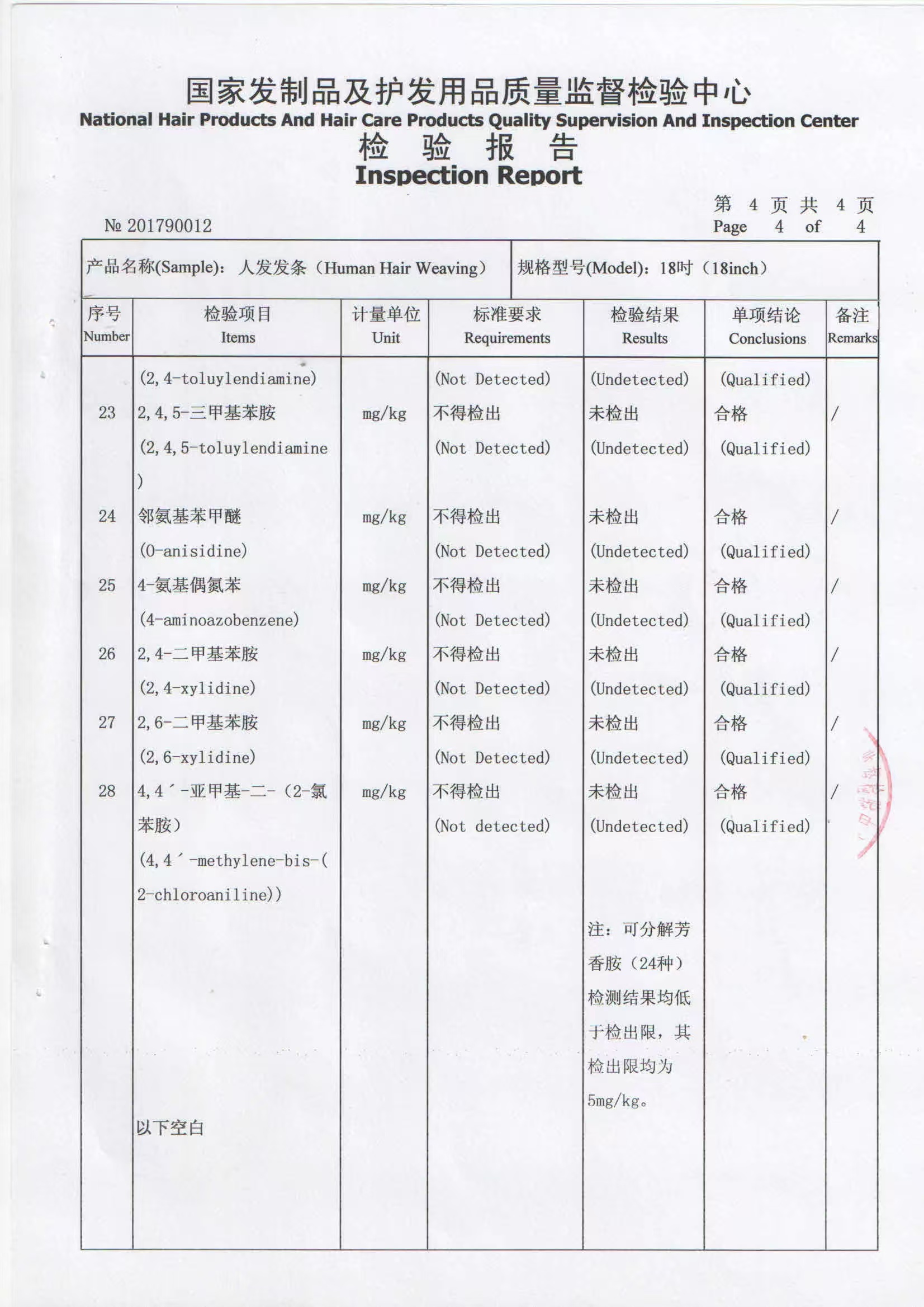
Dolas Dream's Genius weft hair extension is covered by inspection report 201790812, issued on 12 January 2017 by the National Hair Products and Hair Care Products Quality Supervision and Inspection Center and valid to 12 January 2037. The report scope is human hair weaving and hair extensions, tested against GB/T23168-2008, and applies to the USA and EU markets. The product itself is specified at 18–24 inches, 50–100 grams (customizable), in customized colors, made from 100% virgin remy human hair.
Step-by-Step Breakdown: Turning a Complaint Into a Rebooking
The switch is a six-step process a stylist can run inside a normal consultation, without discounting the service.
Use Cases: Which Clients to Move First
Not every client needs the same product, and matching the client to the format is what makes the first install feel like the right decision.
- The fine-hair client with a visible row. The thin, return-hair-free profile of the Genius weft is the practical fix when density is low and a thicker weft would read through the hair. Dolas Dream's Genius weft is specified for hair salon, daily wear, beauty industry, alopecia, hair volume, party and wedding use.
- The thin-hair or alopecia client who wants coverage at the crown. A silk base human hair topper with a scalp-mimicking silk base — 14 or 16 inches, 50–80 grams, in European hair — addresses the top of the head where a weft does not reach. For salon owners serving medical or hair-loss clients, the same cuticle discipline matters more here than anywhere, because the wearer has no margin for matting.
- The client who prefers strand-by-strand methods. Dolas Dream also supplies K tip hair extensions (DLD-20 K tip and DLD-22 K tip, 20 inches, 100 grams, keratin bond, cuticle intact virgin human hair) and Nano ring hair extensions (DLD 20 Nano ring and DLD 22 Nano ring, 18–24 inches, 100 strands per pack, cuticle intact raw hair, solid and balayage colors).
- The salon serving Orthodox or medical channels. Dolas Dream supplies silk top Jewish wigs for white women (DLD Kosher wig16, 14–16 inches, silk base or customized base, 80–150 grams, European virgin hair) and wholesale kosher wigs for salons, alongside medical human hair wigs for alopecia and clinical wear scenarios.
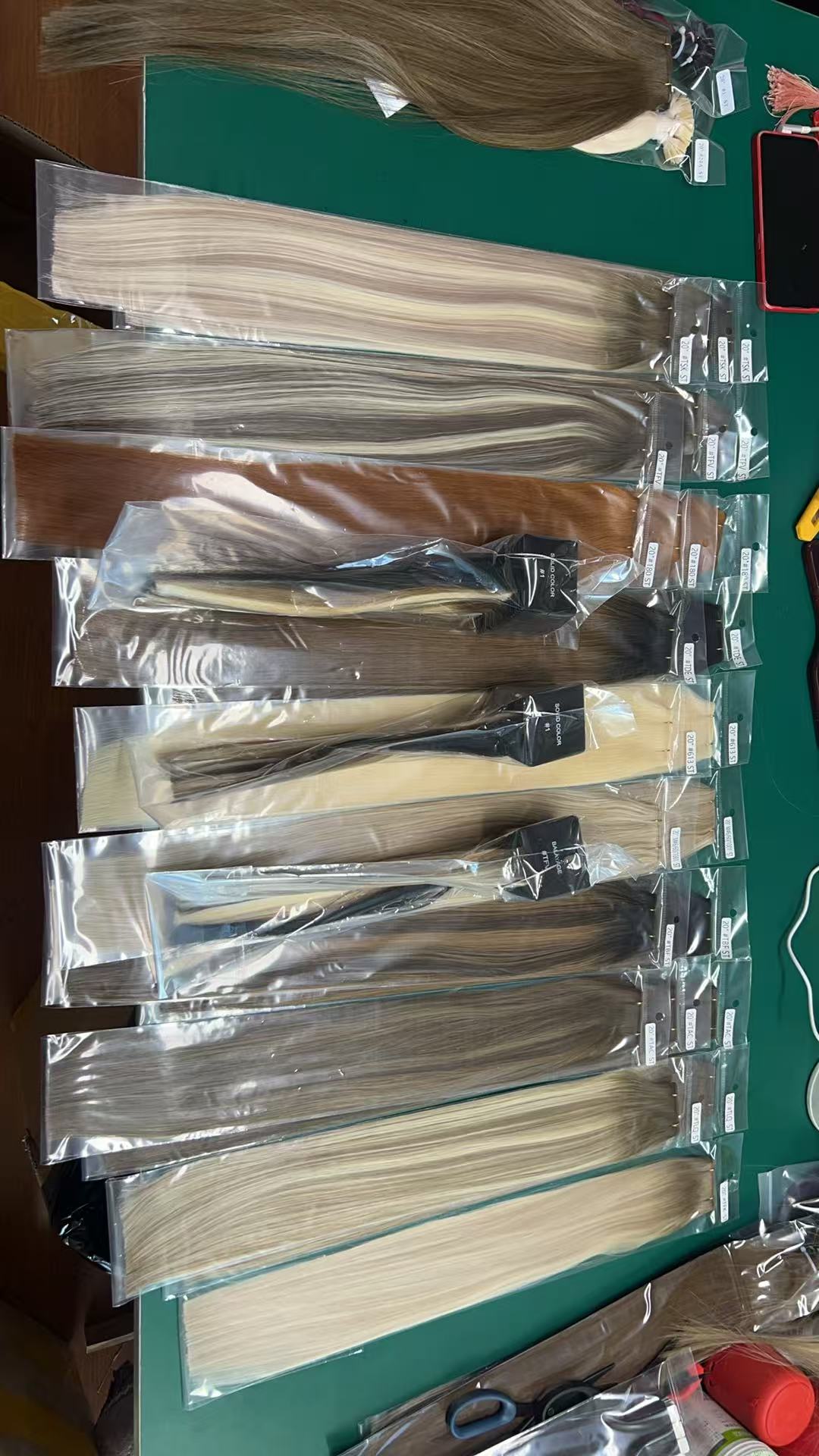
Documented salon outcomes. In Dolas Dream case files, salon owners across the United States, Sweden and Belgium ordered 500 units to solve client thin-hair and alopecia problems; after installation the hair became fuller and stable, clients were visibly happy with the new look, and the hair held across a two-year cycle. A separate wholesale and hairdresser case in the United States covering 200 units, used for length and volume, ran 1.5–2 years with a reliable wearing effect and long-term stable fit, on hair described as cuticle intact with no fiber and no synthetic content.
Comparison Table: Genius Weft vs Machine-Tied Weft vs Multi-Donor Remy
| Criterion | Genius weft (Dolas Dream) | Machine-tied weft | Remy weft from multiple donors |
|---|---|---|---|
| Hair origin | Cuticle-aligned raw hair from one donor | Mill-assembled bundles; supplier-dependent | Bundles assembled from multiple donors |
| Cuticle integrity | 100% cuticle intact, unprocessed, no synthetic, no fiber | Supplier-dependent | Mixed cuticle direction possible |
| Return hair | None | Present — folded-over hair at the seam | Construction-dependent |
| Seam profile | Ultra-thin | Thick and cost-effective; can show on finer hair if not applied carefully | Construction-dependent |
| Cutting to fit | Cuttable anywhere without unraveling | Not compared in Dolas Dream data | Not compared in Dolas Dream data |
| Maintenance load | Roughly 90% less than multi-donor Remy (Dolas Dream comparison) | Not compared in Dolas Dream data | Baseline for the comparison |
| Usable lifespan | About 2x the multi-donor Remy baseline | Not compared in Dolas Dream data | Baseline for the comparison |
| Initial unit cost | Roughly 10% higher than baseline | Lower upfront | Baseline for the comparison |
| Two-year total cost of ownership | About 30% lower than baseline | Not compared in Dolas Dream data | Baseline for the comparison |
Two notes on reading this table honestly. First, the percentages in the Genius weft column are Dolas Dream's own product comparison against multi-donor Remy hair, not an independent laboratory finding, and they should be treated that way. Second, machine-tied wefts are not a bad product — they are durable and cost-effective, and the only structural caution is that the seam can read on very fine hair if the row is not placed carefully. The right question is not which weft is universally better, but which weft stops the specific complaint your client is bringing back to the chair.
Salon owners researching options often search for best genius weft hair extensions or machine tied genius weft hair extensions. In practice, the adjective matters far less than two questions you can ask any supplier: how many donors are in the bundle, and what happens to the seam when it is cut?
What to Verify Before You Switch Suppliers
Dolas Dream is a hair manufacturer based in Qingdao, China, established in 2015, operating a 1,500 m² facility with roughly 50 staff and annual output of about 115,000 units. The company runs OEM, ODM and customized production with color, length and logo options, and applies 100% pre-shipment testing to every unit.
Purchasing terms for salon buyers are short enough to test the relationship without a large commitment: minimum order quantity of 2 units, FOB Qingdao delivery, pre-shipment testing as the acceptance criterion, and payment by T/T in advance, PayPal or Western Union. Inventory hair ships in 2–3 days; customized hair ships in 7–15 days. Hair carries a 2–3 year warranty on using time.
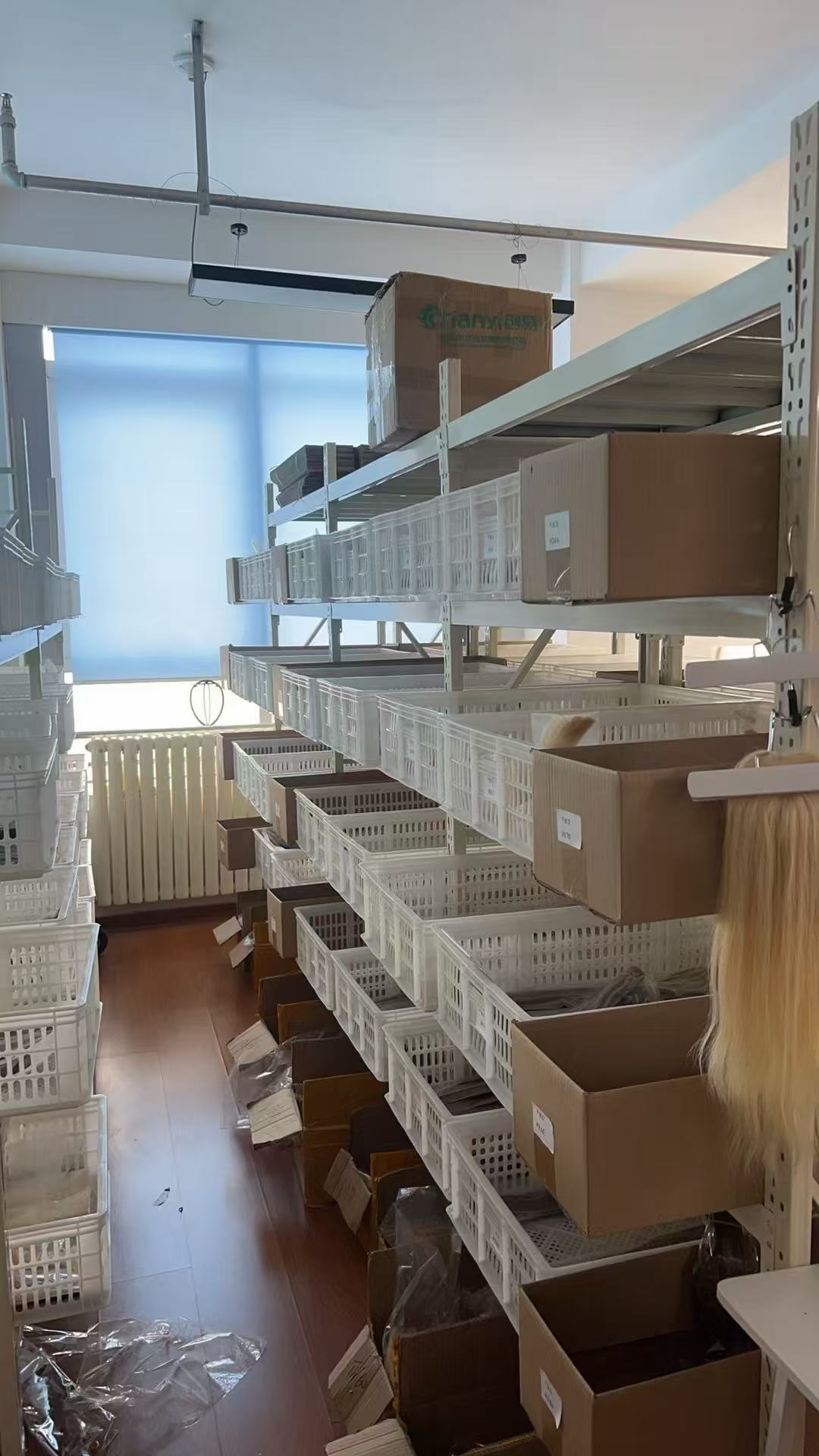
A 2-unit minimum order is the practical part of this for a salon owner. It means you can put one Genius weft in front of your most vocal complaining client, wash it, brush it, and observe whether it mats before you commit to a stock position. Verification beats persuasion in this category.
Frequently Asked Questions
Is the Genius weft hair extension certified for salon use in the US and EU?
Dolas Dream's Genius weft hair extension is covered by inspection report 201790812, issued on 12 January 2017 by the National Hair Products and Hair Care Products Quality Supervision and Inspection Center, valid to 12 January 2037. The report covers human hair weaving and hair extensions under standard GB/T23168-2008 and applies to the USA and EU markets. Salons can request the report as part of supplier documentation, and it is issued by a named third-party inspection center rather than self-declared.
Can a salon brand customize color, length and logo on Genius weft orders?
Yes. Dolas Dream provides OEM, ODM and customized production services, with customization available for color, length and logo. The Genius weft hair extension is specified at 18–24 inches and 50–100 grams, or customized, in customized colors, using 100% virgin remy human hair. A salon that wants its own shade card or branded packaging can work within those parameters rather than buying only stock specifications.
Why pay about 10% more per unit for a Genius weft?
The 10% is the upfront difference. Dolas Dream's comparison of its Genius weft against Remy hair from multiple donors places maintenance roughly 90% lower and usable lifespan about 2x longer, which produces a two-year total cost of ownership roughly 30% lower than the multi-donor Remy baseline. For a salon, the saving is not abstract: it appears as fewer rework appointments, fewer replacements inside the client's cycle, and fewer refunds on matted installs.
What is the minimum order, and can a salon test the hair first?
The minimum order quantity is 2 units, delivered FOB Qingdao, with 100% pre-shipment testing as the acceptance criterion. Payment is by T/T in advance, PayPal or Western Union. The 2-unit minimum is low enough for a salon to run a real-world test on a single client before scaling to a stock position, which is the most reliable way to confirm that cuticle direction holds up under your own washing protocol.
How quickly can stock and custom Genius weft orders ship?
Inventory hair typically ships in 2–3 days and customized hair in 7–15 days. Hair carries a 2–3 year warranty on using time, and every unit is tested before shipment. For salon owners who want to move a complaining client onto cuticle-aligned hair without waiting a month, the fast path is to start from stock colors and lengths, then move to custom color, length or logo on the following order once the client's response is confirmed.
Conclusion: Fix the Hair, and the Client Stays
Shedding and matting are not aftercare failures. They are the predictable result of opposing cuticles, folded return hair and seams that cannot be cut cleanly. A Genius weft removes those three causes at the source: cuticle-aligned raw hair from one donor with 100% cuticle intact, no return hair, a cuttable and glueless construction, and inspection report 201790812 behind it.
For a salon owner, the calculation is simple. The client who complains once is a service cost. The client whose second install goes on cleanly, washes without felting and reaches the end of her cycle still happy is a rebooking — and the difference between those two outcomes is usually decided at the point of purchase, not in the chair.
Test one weft on your toughest client
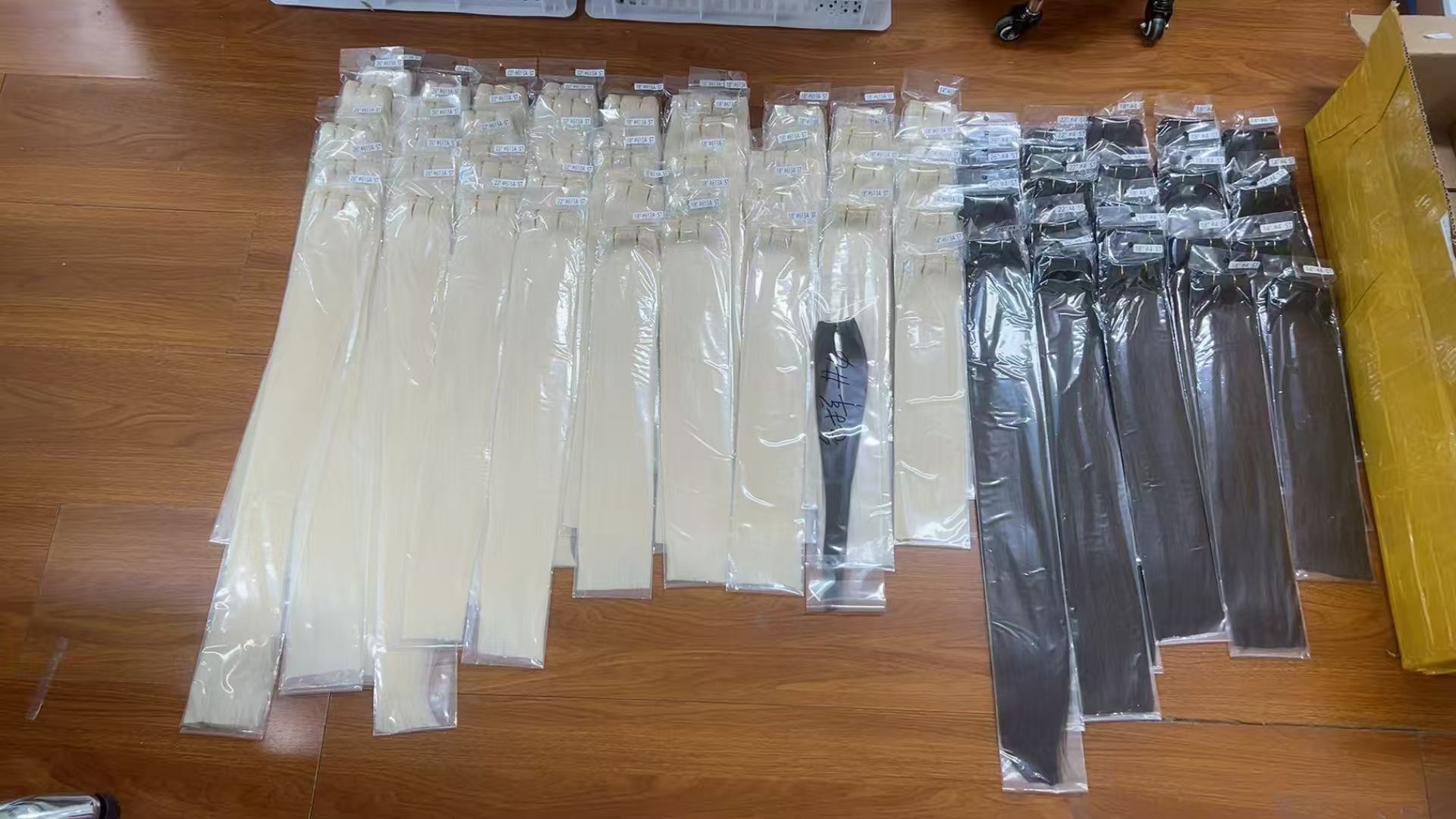
Dolas Dream supplies cuticle-aligned Genius weft hair extensions to salons and wholesalers, with a 2-unit minimum order, 100% pre-shipment testing, and stock dispatch in 2–3 days. Send your client's hair photo in natural lighting for a free color match, or request a quote for stock and custom specifications. If you are comparing suppliers, ask for the inspection report 201790812 alongside your sample — then wash the hair and judge the cuticle, not the label.
Have Questions or Need More Details?
Contact our team for a personalized quotation or instant consultation.
Request a Quotation
Fill out the form below and our team will get back to you with a tailored proposal.
WhatsApp Direct Chat
Prefer to chat in real-time? Message us on WhatsApp for instant assistance & quick answers.
- Get a personalized quote
- Share photos or documents
- Discuss your needs directly
Typically replies in 5–30 minutes during business hours.