Genius Weft vs Remy Hair from Multiple Donors: A Salon Head-to-Head Decision
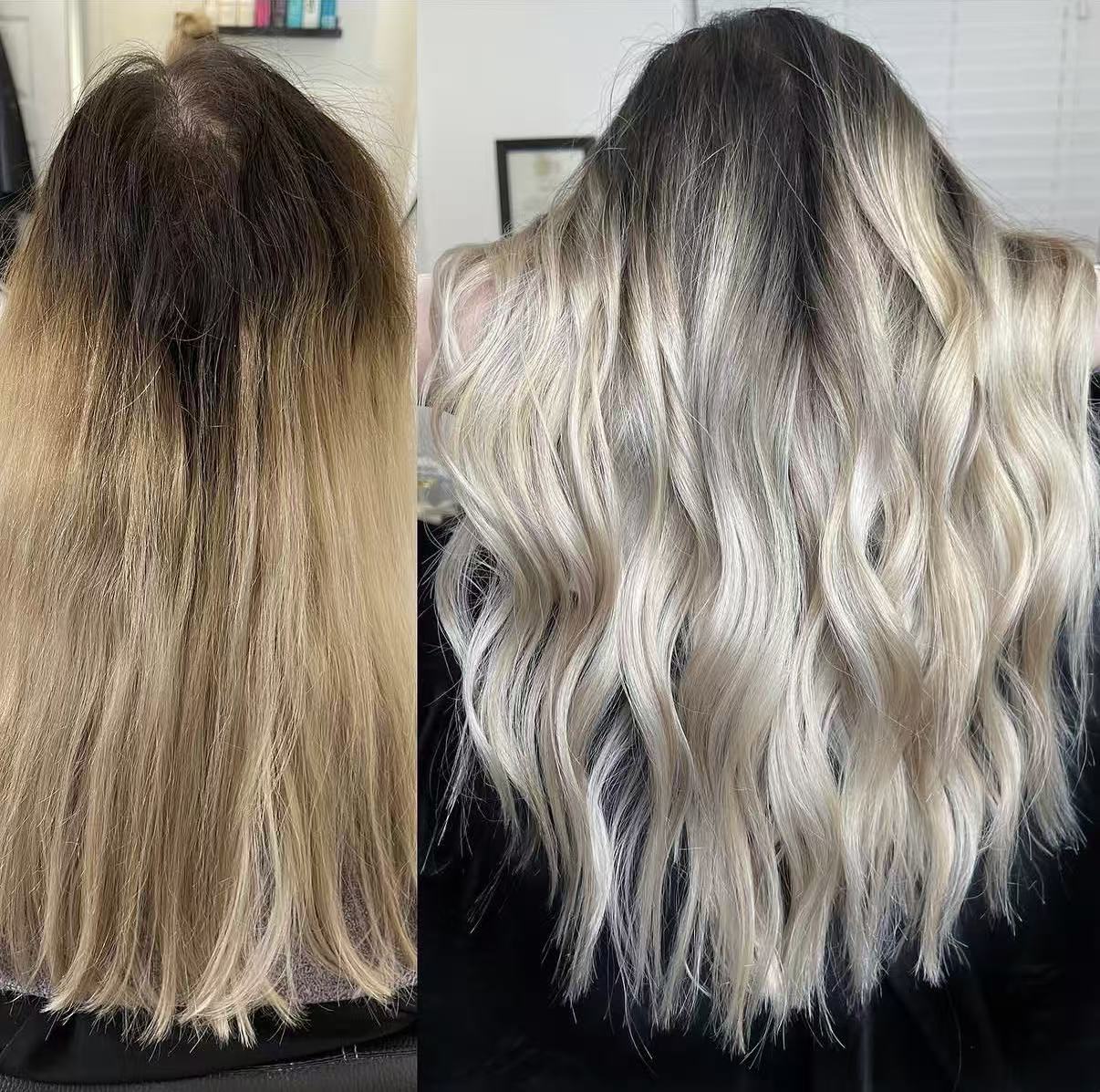
A salon that adds Genius weft hair extensions is not choosing between a cheap product and an expensive one — it is choosing between two cost curves. In the head-to-head model used throughout this guide, a Genius weft costs roughly 10% more at purchase than a conventional weft built from remy hair collected from multiple donors. Over a two-year client cycle that gap reverses: the Genius weft comes out about 30% lower in total cost of ownership, with around 90% less maintenance work and twice the service life.
The reference product on the Genius weft side of this comparison is the Genius weft manufactured by Dolas Dream Crafts Co., Ltd., a hair manufacturer based in Qingdao, China, founded in 2015, which exports around 90% of its output to the USA and EU. The multi-donor remy side is represented by conventional wefts assembled from several donor batches — the type most salons already keep in the back room.
What follows is a decision tool for salon owners at the research-to-evaluation stage: what each option actually is, where the money really goes across 24 months, how to run your own side-by-side trial on a small order, and how to choose based on client volume, budget and service longevity.
The Real Problem: Invoice Price Is Not Cost of Ownership
Two different things are being compared, and conflating them is where salon budgeting usually goes wrong. Genius weft and multi-donor remy are not two grades of the same product. One is a weft construction; the other is a material description.
What a Genius weft is
Genius weft hair extensions are a hybrid construction that combines the thinness of a hand-tied weft with the durability of a machine-tied weft. The track is engineered to approximately 0.8 mm–0.9 mm, which keeps each row flat against the scalp, and the weft can be cut at any point along the track without shedding. For a working stylist this is a practical difference rather than a marketing one: you cut exactly the width the client's head needs instead of fitting a pre-sized row and hiding the surplus.
What “remy hair from multiple donors” means
“Remy” describes cuticle direction — the strands are arranged so the cuticles run the same way, which reduces the friction that causes tangling. “Multiple donors” describes sourcing: hair from several donors is sorted, cuticle-aligned per bundle and blended into wefts. So multi-donor remy is a legitimate material, not a defective one. Its variable is consistency. When a popular shade is replenished from a different donor batch, tone, texture and density can shift, and the stylist absorbs that shift at the chair by blending across bundles and re-planning the row layout.
None of those items appear next to a price per bundle. All of them appear on the salon's profit and loss statement.
Industry Background: Why Salons Are Reconsidering What They Buy
The category is expanding faster than most service menus. The global hair wigs and extensions market was valued at USD 15.2 billion in 2025 and is projected to reach USD 31.1 billion by 2033, according to Grand View Research. Human hair products dominated that market with a 65.6% revenue share in 2025, driven by styling versatility and a natural appearance. The medical segment — alopecia and chemotherapy-induced hair loss — was valued at USD 618.05 million in 2024 by Cognitive Market Research.
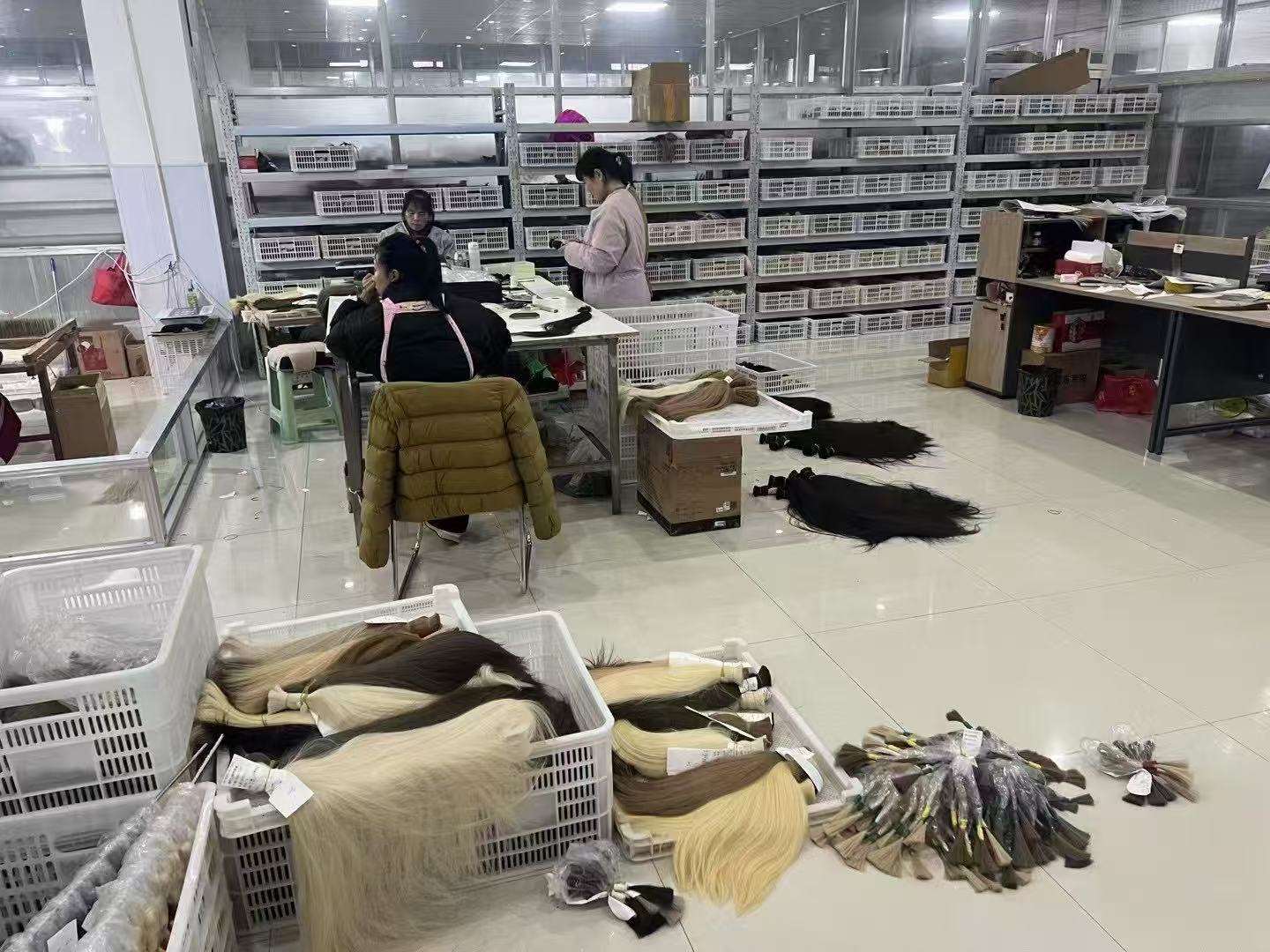
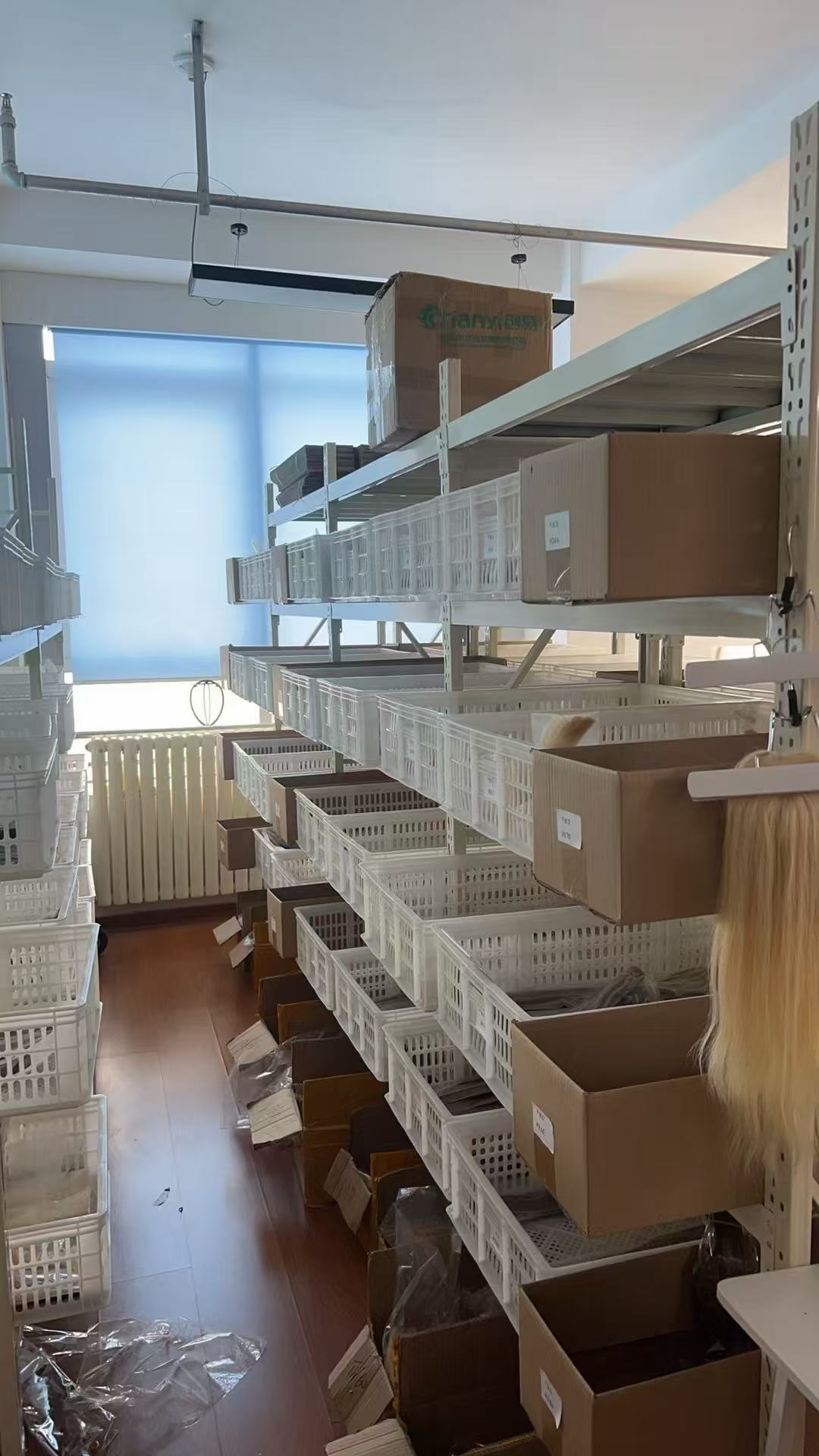
Supply is concentrated. China's wig manufacturing clusters, notably Xuchang and Qingdao, produced over 12 million units annually as of 2024. Dolas Dream Crafts Co., Ltd. sits inside that Qingdao cluster: founded in 2015, operating a 1,500 m² facility with 50 employees and 15 R&D engineers, and reporting annual output of 115,000 units across Genius weft hair extensions and human hair toppers. Around 90% of production is exported, with the USA and EU as its main markets.
Two market shifts push the weft decision toward the top of a salon's agenda. First, more salons now offer extensions, so competition has moved from “do you offer them” to how long a set lasts and how little maintenance it needs. Second, a growing share of clients — fine hair, thinning hair, alopecia and medical hair loss — expect a weft to behave like long-wear hair rather than a single-event accessory. Both shifts reward a lower-maintenance construction, not a lower invoice.
Head-to-Head: Six Criteria That Decide the Outcome
1. Track construction and cuttability
Track behaviour determines comfort, concealment and how much product you waste. A Genius weft's hybrid track keeps the row thin while retaining the durability of a machine-tied weave, and it can be cut anywhere without shedding. Multi-donor remy wefts are usually supplied as pre-sized rows; whether a supplier's track tolerates mid-row cutting is a specification question you should confirm in writing before you buy, because uncuttable surplus is paid for and then discarded.
2. Cuticle alignment and donor consistency
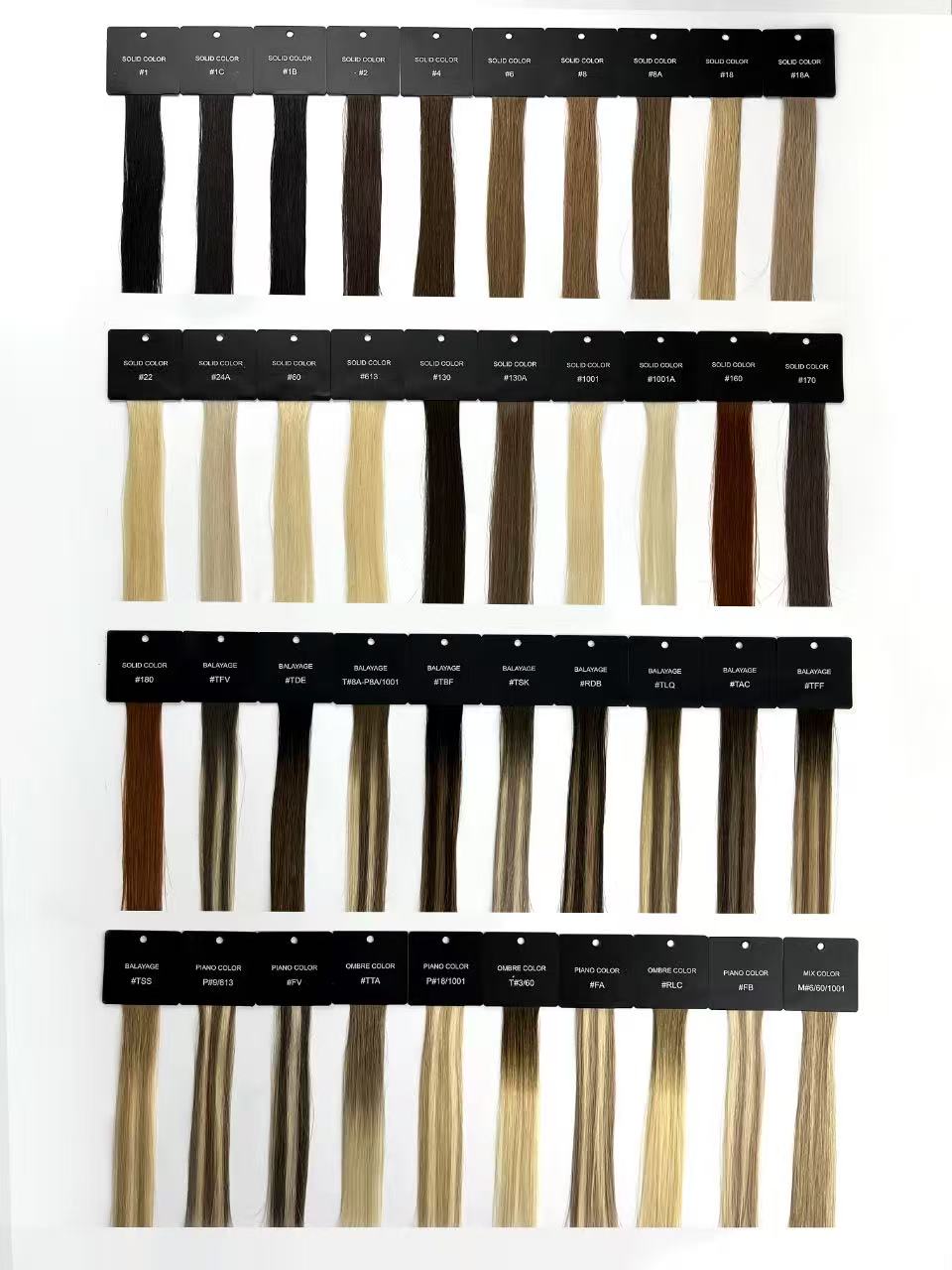
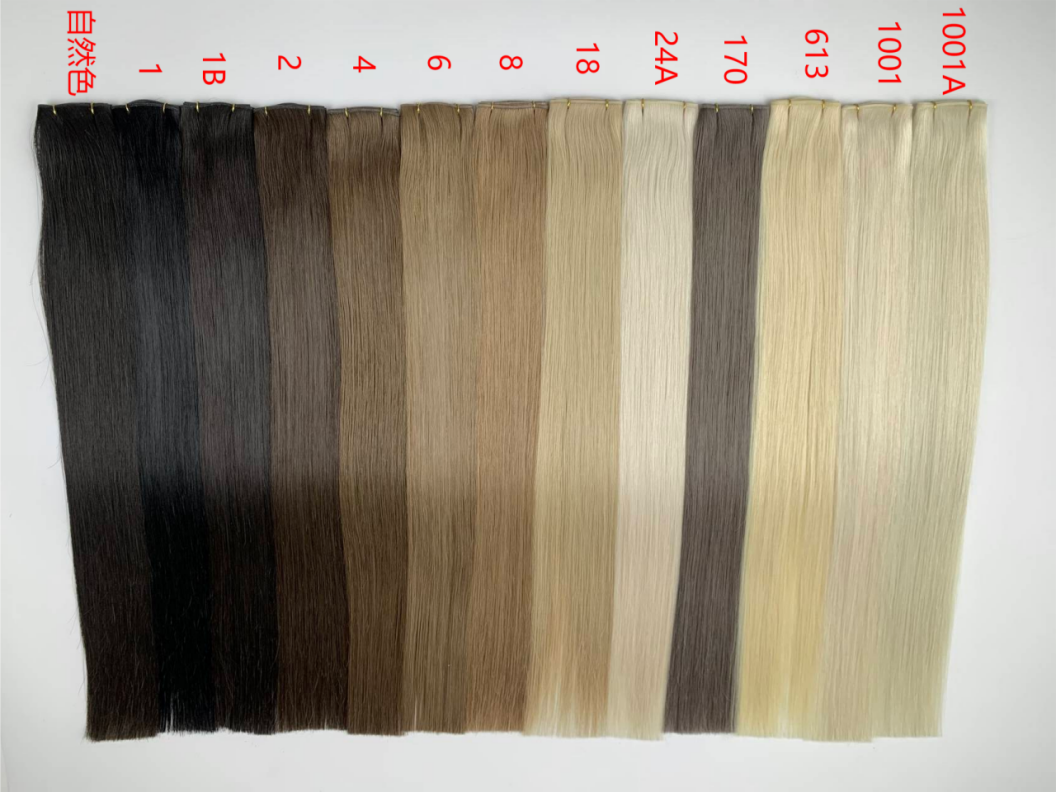
Dolas Dream's Genius weft is made from 100% virgin remy human hair with cuticle-intact strands, taken from a single donor rather than blended across several. Because the cuticles run in one direction and the material comes from one source, tone and texture stay consistent from bundle to bundle. That is what allows a salon to reorder the same shade six months later and get the same result, instead of colour-correcting a new batch to match an old install. Multi-donor remy wefts depend on the supplier's batch sorting to achieve something similar; where sorting is loose, the chair time moves to you.
3. Installation efficiency and glue-free attachment
A Genius weft is attached by bead or by thread, not by adhesive. There is no glue and no bonded keratin tip on the weft, so the service is glue-free — a practical advantage for salons serving clients who prefer to avoid adhesive-based methods, and for fine or sensitive hair where adhesive weight and removal stress are a concern. The material itself contains no synthetic and no fibre content. Installation takes place under normal salon conditions — indoor, low temperature, slow processing — using standard hair salon tools, and the thin track means fewer, flatter rows to place than a bulky row plan would require.

4. Service life
Dolas Dream specifies long-lasting durability of 1.5–2 years for the Genius weft and backs the hair-using time with a 2–3 year after-sales warranty. In the comparison model used here, that service life is twice that of the multi-donor remy alternative. This single factor drives most of the two-year cost difference: if a client needs one weft set instead of two inside the same window, the smaller upfront premium is repaid before the second year is out.
5. Maintenance load
Maintenance is the line item salons rarely price. The model used in this comparison shows roughly 90% less maintenance work on the Genius weft side. The mechanism is straightforward: hair with cuticles running in one direction resists the friction that causes matting and tangling, so fewer appointments are consumed by detangling and re-tightening, and the return-to-chair interval stretches. Fewer emergency appointments also mean more bookable revenue slots elsewhere in the week.
6. Two-year total cost of ownership
Put the four variables together — purchase price, installation time, maintenance appointments and replacement cycles — and the picture inverts. Purchase cost is approximately 10% higher; two-year ownership cost is approximately 30% lower. The reason is that the cheaper invoice is paid more often. Any salon comparing wefts on unit price alone is comparing one line of a four-line calculation.
Comparison Table: Genius Weft vs Multi-Donor Remy Weft
| Decision criterion | Genius weft (Dolas Dream reference) | Remy hair from multiple donors |
|---|---|---|
| Construction | Hybrid weft: hand-tied thinness on a machine-tied weave | Conventional weft; construction varies by supplier |
| Track thickness | Engineered at approximately 0.8 mm–0.9 mm | Not standardised — confirm the track spec with your supplier |
| Cutting the track | Can be cut at any point without shedding | Typically supplied pre-sized; confirm cuttability before ordering |
| Material | 100% virgin remy human hair, cuticle-intact | Remy human hair, cuticle-aligned per bundle |
| Donor sourcing | Single-donor material | Blended from multiple donors |
| Attachment method | Beaded or sewn row — glue-free | Beaded, sewn or bonded, depending on supplier |
| Length and weight options | 18–24 inches; 50–100 g or customized | Varies by supplier |
| Stated durability | 1.5–2 years | Shorter cycle in the model used here |
| After-sales support | 2–3 year warranty on hair using time | Not standardised |
| Relative purchase cost (index) | 110 — about 10% higher | 100 — baseline |
| Relative 2-year cost of ownership | About 70 — about 30% lower | 100 — baseline |
| Relative maintenance time | About 10 — about 90% less | 100 — baseline |
| Relative service life | About 200 — twice the cycle | 100 — baseline |
Step-by-Step: Run the Head-to-Head in Your Own Salon
You do not need to trust someone else's cost model. A controlled comparison takes one season and a small order. Seven steps:
- Split your client base into two profiles. Long-wear clients — fine hair, thinning, alopecia, medical hair loss — and short-cycle clients — bridal, event and seasonal colour work. The two profiles will not produce the same answer.
- Set a 24-month measurement window. Count installs, not invoices. A weft that is replaced twice in two years costs more than one replaced once, whatever the unit price says.
- Cost the install. Product per row plus chair time plus consumables. A thin, cuttable track reduces both the grams used and the minutes spent fitting.
- Cost the maintenance. Count re-tightening and detangling appointments between installs. This is where the 90% maintenance difference in the model shows up as bookable hours.
- Cost the exit. How many replacement sets does each system need inside the window? That number, not the price tag, settles the comparison.
- Trial both on a small order. Dolas Dream's minimum order quantity is 2 units, and in-stock hair ships in 2–3 days, so a salon can run a genuine side-by-side trial without committing to a season of inventory. Customized hair takes 7–15 days.
- Score, then decide by volume tier. Compare your own numbers against the index model above and choose per client profile, not per personal preference.
Use Cases: Which Salon Should Choose Which
High-volume colour and blending salons
Wherever colour matching drives rebooking, single-donor consistency is worth the premium. Reordering the same shade and receiving the same tone removes the correction step from the next install and protects the result the client already approved.
Fine hair, thinning hair and medical clients
This is the profile the Genius weft was built for. It adds volume for fine hair, provides a hair-loss solution for daily wear, and is installed glue-free — relevant for clients who avoid adhesive methods. A documented Dolas Dream case involved salon owners in the US, Sweden and Belgium ordering 500 units over a two-year period to solve clients' thin-hair and alopecia concerns; the reported outcome was fuller, more stable hair and visibly more confident clients, with the material highlighted as pure 100% virgin remy human hair containing no synthetic and no fibre, with unprocessed cuticle-intact structure.
Bridal, event and short-cycle salons
If clients wear extensions for one occasion, the two-year ownership curve matters less than speed of installation and a clean hairline. Here the thin, cuttable track still helps, but the decision should be made on installation minutes and reusability rather than lifetime cost.
Salons that retail beyond the weft
Salons that already sell multiple hair solutions can consolidate suppliers. Alongside the Genius weft, Dolas Dream manufactures silk base human hair toppers, K tip and nano ring hair extensions, silk top Jewish wigs, kosher wigs for salons, and medical human hair wigs for wholesale buyers — produced on the same quality-control line, shipped from the same Qingdao facility.
Frequently Asked Questions
Is a Genius weft suitable for clients with fine hair or a sensitive scalp?
Yes — the construction is designed for exactly that profile. The Dolas Dream Genius weft is made from 100% virgin remy human hair with cuticle-intact strands and contains no synthetic and no fibre. It is applied by bead or thread rather than adhesive, so the service is glue-free, and installation uses standard salon tools under normal indoor, low-temperature conditions. Like any premium hair, it requires proper aftercare similar to caring for natural hair.
Can a Genius weft be supplied in salon-scale volumes with custom colour and length?
Dolas Dream runs OEM, ODM and customized production with colour, length and logo customization. Monthly capacity is 12,000 units against annual output of 115,000 units from a 1,500 m² facility staffed by 50 employees, including 15 R&D engineers. The Genius weft is offered in 18–24 inches and 50–100 g, or customized, and every shipment passes a 100% pre-shipment test.
How can a weft that costs about 10% more be the cheaper decision?
Because purchase price is one of four cost lines. In the comparison model used here, the Genius weft runs about 10% higher at purchase but about 30% lower in total cost of ownership over two years, with roughly 90% less maintenance work and twice the service life. Dolas Dream specifies 1.5–2 years of durability and supports the hair-using time with a 2–3 year after-sales warranty, so fewer replacement sets are needed inside the same window.
Do I have to commit to a large order to test the difference?
No. Minimum order quantity is 2 units, which is enough to install a controlled trial set. In-stock hair ships in 2–3 days and customized hair in 7–15 days, so a salon can compare both systems on real clients before placing a volume order. The full product range and specifications are listed in the Dolas Dream catalogue.
What are the lead times, and how reliable is supply?
In-stock hair ships in 2–3 days; customized hair ships in 7–15 days, backed by large consistent stock and on-time shipment as standing commitments. Dolas Dream exports around 90% of production, mainly to the USA and EU. For a quotation, a sample request or a volume plan, contact the team at [email protected] or via WhatsApp at +8618863251821.
Conclusion: Decide by Curve, Not by Invoice
For a salon owner, the Genius weft versus multi-donor remy question answers itself once the comparison window is set at 24 months instead of one purchase order. Multi-donor remy wins on the first invoice; the Genius weft wins on the second year — about 30% lower total cost of ownership, roughly 90% less maintenance, twice the service life, and a single-donor, cuticle-intact material that keeps colour and texture repeatable across reorders.
The right answer still depends on your mix. High-volume, long-wear and medical client bases should move to a cuttable, glue-free, cuticle-intact weft and treat the 10% premium as a maintenance budget paid upfront. Event-driven salons with short wear cycles can justify either system. Run the seven-step trial on a two-unit order, score it against the index table, and let your own appointment book decide.
Next Step: Test It on Your Own Clients
Dolas Dream Crafts Co., Ltd. supplies Genius weft hair extensions, human hair toppers and silk top wigs to salons, distributors and wholesale buyers in the USA, EU and beyond — with a 2-unit minimum order, 2–3 day lead time on in-stock hair, and 100% pre-shipment testing.
Download the Dolas Dream product catalogue, or request a sample and quotation directly:
Email: [email protected] | WhatsApp: +8618863251821 | Website: dolascrafts.com
Have Questions or Need More Details?
Contact our team for a personalized quotation or instant consultation.
Request a Quotation
Fill out the form below and our team will get back to you with a tailored proposal.
WhatsApp Direct Chat
Prefer to chat in real-time? Message us on WhatsApp for instant assistance & quick answers.
- Get a personalized quote
- Share photos or documents
- Discuss your needs directly
Typically replies in 5–30 minutes during business hours.