Genius Weft vs. Butterfly Weft: Invisibility or Low Tension?
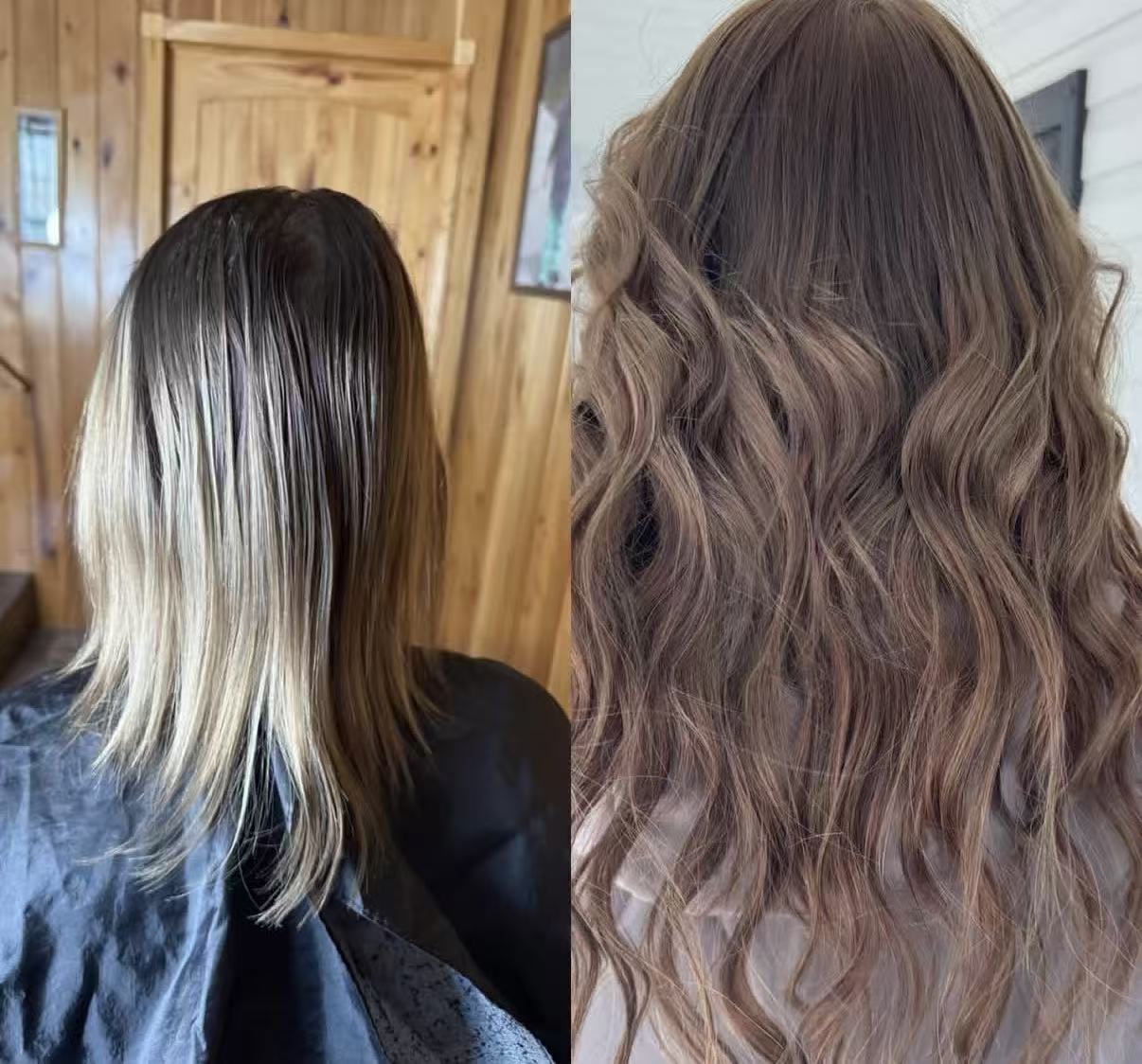
A visual reference for comparing thin weft constructions in salon consultations.
For salon owners and stylists, the choice between a genius weft and a butterfly weft is not a contest for a single winner. It is a client-priority decision. A genius weft is the stronger match when the brief is an invisible look: it is ultra-thin, has no return hair, and is described as lightweight. A butterfly weft is the stronger match when the client wants low tension and less hair pull, because the construction is flexible. Comfort, invisibility, durability and cost should be checked together, and the final recommendation should be confirmed with a qualified hairdresser for the individual client.
Dolas Dream Hair Co., Ltd is a Qingdao-based manufacturer with a stated specialization in genius weft hair extensions and human hair toppers. Its company profile lists 105–311 employees and a 70%–90% export share, which is useful context for salons that need a supplier with export experience rather than a single-product listing. You can review the supplier profile here: Dolas Dream Hair Co., Ltd.
What Is the Real Decision Behind Genius Weft vs. Butterfly Weft?
The real decision is where the client feels the trade-off. A client who is sensitive to a visible seam or bulky attachment usually cares most about a flat, natural blend. A client who is sensitive to pulling, scalp discomfort or tension during wear usually cares most about flexibility and a lower-tension feel. Those are different problems, and they can lead to different weft recommendations even when both clients want long, natural-looking hair.
The comparison also matters for the salon business. If a stylist recommends the same weft for every client, the salon may solve one problem while creating another: an invisible result that feels too tight for one client, or a low-tension result that does not meet another client's expectation for a seamless finish. A short consultation that ranks the client's priorities before installation is more reliable than choosing by product name alone.
Why Weft Choice Matters in the Salon Market
Hair extensions are a mature but still sizeable category. Grand View Research reported a $15.2 billion valuation for the global hair wigs and extensions market in 2025. That scale does not tell a stylist which weft to install, but it does explain why salons have many weft types to compare and why clients arrive with different expectations. The category includes machine wefts, hand-tied wefts, genius wefts and butterfly wefts, and each construction changes how the attachment sits, feels and ages.
In practical salon terms, weft selection affects three business outcomes: client comfort during wear, the visual quality of the finished service, and the likelihood of repeat maintenance appointments. A client who feels pulling may not return for the same service. A client who sees a visible ridge may lose confidence in the finish. A client who understands the durability and care requirements is more likely to judge the service fairly. The weft choice should therefore be explained in client language, not only in technical terms.
How Genius Weft and Butterfly Weft Differ in Construction
Genius wefts are described as ultra-thin and lightweight. Their distinguishing construction is a thin base with no return hair, meaning there is no folded-over hair at the seam. A commercial reference also describes genius wefts as cuttable anywhere without unraveling, and associates the no-return construction with greater comfort than hand-tied wefts. For salon use, those features matter because a thinner, flatter seam is easier to conceal on many clients, especially when the goal is a natural-looking finish.
Butterfly wefts take a different route. They are described as flexible and as providing low tension, with less hair pull. That does not make them better or worse in every case. It makes them relevant when the client's main concern is how the attachment feels against the scalp and how much tension is transmitted during wear. A flexible, low-tension weft can be the more appropriate starting point for a client who is tension-sensitive, while a genius weft can be the more appropriate starting point for a client who is visibility-sensitive.
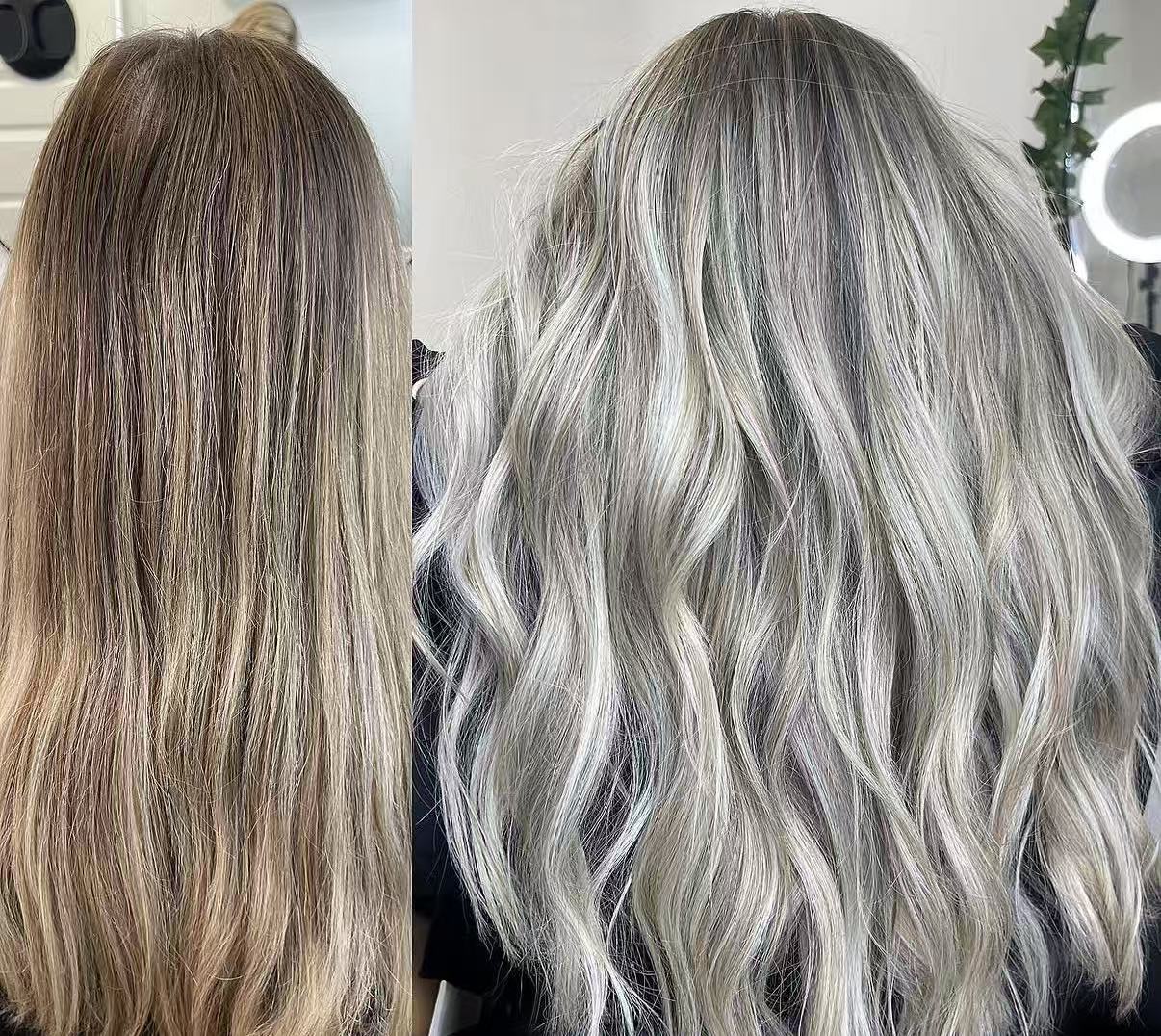
Cuticle alignment and hair direction are part of the durability conversation, not only the visual finish.
Machine wefts sit outside this two-way choice but help explain it. They are described as thicker at the seam and cost-effective, which is why they remain a common salon option. The genius weft is the thin, no-return option for a more invisible look. The butterfly weft is the flexible, low-tension option for less hair pull. A stylist who can explain that difference clearly is better positioned to guide the client without overcomplicating the decision.
Comfort, Invisibility, Durability and Cost: A Salon Comparison
The table below compares the two wefts on the four criteria named in the client brief. It separates what is supported by available product references from what still needs a salon consultation or a supplier quote. It does not assume that a missing figure means a weaker product.
| Decision criterion | Genius weft | Butterfly weft |
|---|---|---|
| Construction | Ultra-thin and lightweight; no return hair; described as cuttable without unraveling in a commercial reference. | Flexible construction designed for low tension and less hair pull. |
| Comfort | Thin, flat seam with no folded return hair; supplier literature associates no-return construction with comfort compared with hand-tied wefts. | Flexibility and lower tension are the main comfort arguments, especially for tension-sensitive clients. |
| Invisibility | The stronger starting point when the client wants an invisible look, because the ultra-thin base is easier to conceal in many salon applications. | The available reference does not quantify seam visibility; assess it on the client's hair density and installation plan. |
| Durability evidence | Dolas Dream states 100% cuticle-intact hair from one donor and a lifespan extended by two times compared with alternatives. The claim refers to the supplier's product reference, not an independent laboratory test. | Flexible weft construction is documented, but the available reference does not provide a comparable lifespan figure. This is not evidence that durability is lower. |
| Cost evidence | Dolas Dream states an initial cost 10% higher but a total cost of ownership 30% lower over two years compared with alternatives. Salons should confirm current quotes and service assumptions. | The available reference does not supply a butterfly-weft price or total-cost figure. Compare a written quote for the same length, density and hair quality. |
| Primary fit | Clients who prioritize a seamless, low-profile finish and are willing to compare long-term value, not only the first invoice. | Clients who prioritize low tension and less hair pull, especially when scalp comfort is the main concern. |
| Main limitation to discuss | A higher initial cost can be a barrier if the client is not ready to evaluate maintenance and reuse over time. | Without a comparable durability or cost figure, the salon should not promise a specific lifespan or ownership cost before checking the supplier's current specification. |
The table is deliberately conditional. A genius weft is not automatically the right choice for every fine-haired client, and a butterfly weft is not automatically the right choice for every comfort-sensitive client. The correct recommendation depends on which issue the client feels most strongly and which installation method the stylist judges suitable after seeing the hair and discussing the client's routine.
How to Choose the Right Weft for Each Client
A repeatable consultation process keeps the decision grounded. The steps below can be used in a salon without turning the appointment into a technical lecture. The aim is to identify the client's dominant priority, check suitability, and set realistic expectations before the service is booked.
- Ask the client to rank the priority. Use four plain questions: does the client care most about the seam being invisible, about feeling less pull, about how long the hair lasts, or about the initial price? The answer usually reveals whether the genius weft or the butterfly weft should be the first option discussed.
- Check the hair and scalp context. Hair density, natural hair direction, previous extension experience and sensitivity during wear all affect the recommendation. A qualified hairdresser should assess whether the proposed weft and installation method are proper for that client. If the client has a medical hair-loss concern, coordinate with the appropriate professional rather than making a medical claim in the salon.
- Match the weft to the dominant priority. If invisibility is the dominant priority, start with the genius weft because its ultra-thin, no-return base is designed for a lower-profile finish. If low tension is the dominant priority, start with the butterfly weft because its flexibility is intended to reduce hair pull. If the client has mixed priorities, explain the trade-off and let the client choose with the stylist's guidance.
- Confirm the color and blend plan. A thin seam does not guarantee a natural result if the shade is wrong. Dolas Dream offers a free online color matching service: the client sends a photo taken in natural lighting, and a team of experts helps find a suitable shade to support a seamless look. This is useful for salon clients who are choosing between close shades or who want a better blend at the mid-lengths and ends.
- Set the maintenance and cost expectation. Explain the care routine, the expected maintenance interval and the difference between the first invoice and the longer-term cost. For the genius weft, Dolas Dream states maintenance is 90% less than Remy hair from multiple donors. That claim should be presented as the supplier's product reference, not as a guarantee for every client, because actual wear depends on care, installation and the client's hair.
- Ask a hairdresser for final confirmation. The safety precaution is simple: ask a hairdresser to give advice on which hair weft is proper. A professional who can see the client's hair and discuss the installation plan should make the final suitability call.
Salon Use Cases: Matching the Weft to the Client Brief
Fine hair and a visible-seam concern. A client with finer natural hair often notices a bulky attachment more quickly. In that consultation, the genius weft is the more logical first option because its ultra-thin, no-return construction is intended to sit flatter. The stylist should still check density around the installation area and confirm that the chosen method will not create unnecessary tension.
Tension-sensitive client or previous pulling discomfort. A client who has felt pulling from previous extensions may prioritize a flexible, low-tension attachment. The butterfly weft is the more relevant starting point because it is described as flexible and as providing less hair pull. The stylist should not promise that all discomfort will disappear; the installation method, section size and aftercare still matter.
Event work and camera-facing services. For weddings, parties, holidays and other appearance-focused appointments, invisibility often outweighs long-term cost in the client's mind. The genius weft fits that brief when the stylist needs a low-profile seam and a natural blend. Color matching should be completed early enough to avoid a last-minute mismatch.
Daily-wear clients who compare total cost. A daily-wear client may ask why a genius weft can have a higher initial cost. The answer should separate first price from ownership. Dolas Dream states an initial cost 10% higher but a total cost of ownership 30% lower over two years compared with alternatives, alongside a lifespan extended by two times. Those figures come from the supplier's product reference and should be checked against the salon's current quote and the client's actual care routine.
Clients who need a salon portfolio conversation. Some clients are not choosing only between two wefts; they are asking whether the salon can meet several needs, including toppers or other hair solutions. In that case, keep the weft decision focused on the client's current priority and treat adjacent products as a separate consultation. A salon that explains the difference clearly is more credible than one that presents every product as suitable for every client.
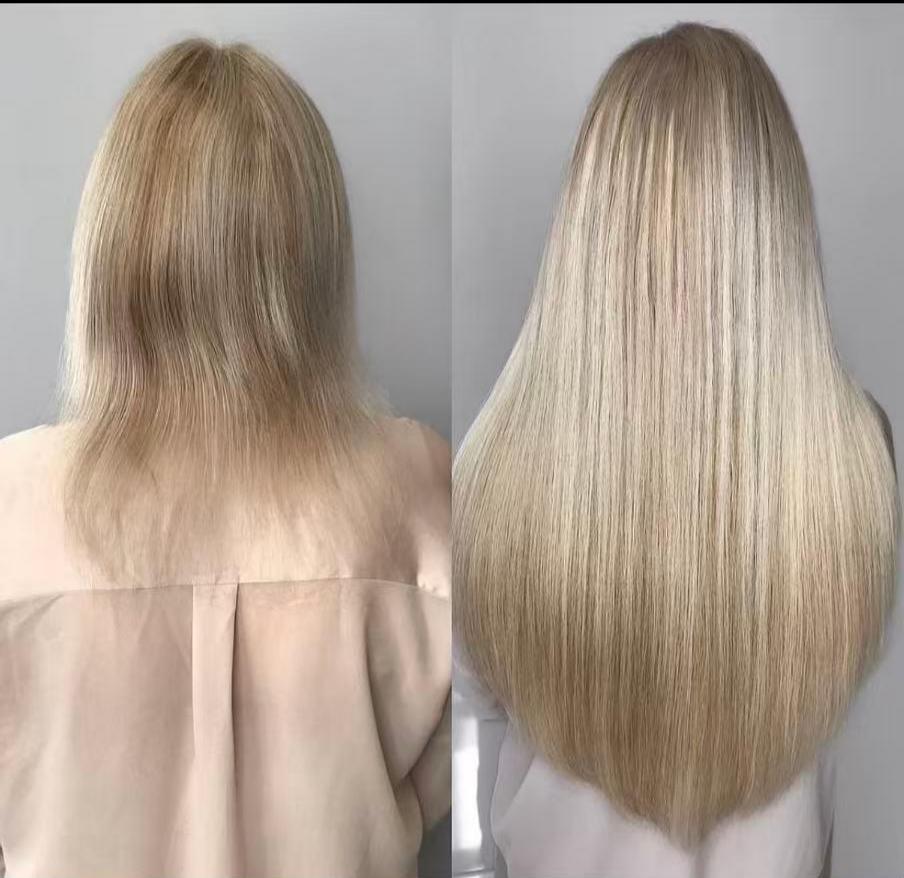
The finished blend depends on weft choice, color match, installation method and aftercare.
Cost and Longevity: What the Numbers Do and Do Not Prove
Cost is the criterion most likely to be misread. A lower first invoice is not the same as a lower ownership cost, and a higher first invoice is not proof of better value. The useful comparison is like-for-like: same length, same density, same hair quality, same installation method and same care assumptions. Without that discipline, a salon can compare a premium weft against a budget specification and draw the wrong conclusion.
For the genius weft, the supplied product reference gives a clear cost and longevity position: 100% cuticle-intact hair from one donor, a lifespan extended by two times compared with alternatives, maintenance 90% less than Remy hair from multiple donors, an initial cost 10% higher and a total cost of ownership 30% lower over two years. These are supplier-stated figures. They are useful for explaining the logic of long-term value, but they should not be presented as an independent test result or as a promise that every client will achieve the same outcome.
For the butterfly weft, the available reference supports the flexibility and low-tension positioning but does not provide a comparable lifespan or cost figure. That gap should be handled honestly. The salon should request a written quote and current specification from the supplier, then compare the same variables. A missing public figure is not evidence that the butterfly weft is less durable or more expensive; it simply means the salon should verify the commercial terms before making a claim.
Maintenance and Color Matching for a Natural Result
Weft choice is only one part of the client experience. Color matching and aftercare determine whether the installation looks natural after the first wash and whether the hair remains manageable between appointments. For color, match the extensions to the mid-lengths and ends of the client's hair rather than the roots, which can be a different shade. Dolas Dream's free online color matching service uses a photo taken in natural lighting, and a team of experts helps find a suitable shade to support a seamless look.
For washing, the care steps are straightforward but important. Brush the hair extensions first, prepare lukewarm water, use a mild shampoo, rinse gently, apply conditioner and allow the hair to air dry naturally. Avoid hot water because it can damage the hair cuticles. The same care discipline supports the durability conversation: a client who follows a gentle routine is in a better position to judge the weft fairly than a client who uses high heat or harsh products.
FAQ: Genius Weft, Butterfly Weft and Salon Selection
What should a salon confirm before recommending any weft?
A salon should confirm the client's main priority, assess hair density and scalp sensitivity, discuss the installation method and explain the care routine. The safety precaution is to ask a hairdresser for advice on which hair weft is proper for that client. A professional suitability check should come before a product recommendation, especially when the client has previous extension discomfort or a medical hair-loss concern.
What is the difference between machine weft, genius weft and butterfly weft?
A machine weft is described as thicker at the seam and cost-effective. A genius weft is ultra-thin with no return hair and is suited to an invisible look. A butterfly weft is flexible and provides low tension for less hair pull. In salon terms, machine weft is often a budget-oriented option, genius weft is an invisibility-oriented option and butterfly weft is a low-tension-oriented option. The client's priority should decide which option is discussed first.
Which weft should a stylist choose for a client who wants an invisible look or less hair pull?
For an invisible look, start with the genius weft because its ultra-thin, no-return construction is designed for a lower-profile finish. For less hair pull, start with the butterfly weft because its flexibility is intended to provide low tension. If the client wants both, the stylist should explain the trade-off and confirm suitability with a professional assessment rather than promising that one weft will solve every comfort and visibility concern.
How do genius weft and butterfly weft compare on cost and durability?
Dolas Dream states that its genius weft has an initial cost 10% higher but a total cost of ownership 30% lower over two years compared with alternatives, and a lifespan extended by two times. The available reference does not provide a comparable butterfly-weft cost or lifespan figure. Salons should compare written quotes for the same length, density and hair quality, and should not treat a missing figure as proof of lower performance.
How should clients wash and maintain weft hair extensions?
Brush the extensions first, use lukewarm water and a mild shampoo, rinse gently, apply conditioner and air dry naturally. Avoid hot water to protect the hair cuticles. Clients should also follow the salon's installation-specific aftercare advice, because the washing routine supports the weft but does not replace a proper suitability check or professional installation plan.
How can a salon request a sample or quote for genius weft hair extensions?
Salon owners comparing genius weft hair extensions can contact Dolas Dream through its company profile to confirm current product options, sample availability, quotes and lead times before ordering. The company profile is the appropriate place to verify the current commercial terms because product ranges and availability can change. A sample or quote request should specify the length, density, color direction and expected salon use so the supplier can respond with relevant information.
Next step for salons: use the consultation questions above to identify whether the client's dominant need is invisibility or low tension, then confirm the final weft choice with a qualified hairdresser. For current genius weft specifications and commercial terms, review the Dolas Dream company profile before committing to a salon order.
A salon application reference for discussing weft selection, blending and next-step sample planning.
Conclusion: Choose the Client Priority, Not the Label
Genius weft and butterfly weft solve different client concerns. The genius weft is the more appropriate starting point when invisibility is the priority, because it is ultra-thin, lightweight and has no return hair. The butterfly weft is the more appropriate starting point when low tension and less hair pull are the priority, because it is flexible. Durability and cost should be compared with the same specification and a written quote, not with a first-price assumption.
For salon owners and stylists, the practical rule is to rank the client's priorities before recommending a weft. Ask about visibility, tension, longevity and budget. Match the answer to the construction. Confirm color and aftercare. Then ask a hairdresser for advice on which hair weft is proper for that client. That process is more useful than treating either weft as a universal answer, and it gives the salon a defensible reason for the recommendation it makes.
Have Questions or Need More Details?
Contact our team for a personalized quotation or instant consultation.
Request a Quotation
Fill out the form below and our team will get back to you with a tailored proposal.
WhatsApp Direct Chat
Prefer to chat in real-time? Message us on WhatsApp for instant assistance & quick answers.
- Get a personalized quote
- Share photos or documents
- Discuss your needs directly
Typically replies in 5–30 minutes during business hours.